 how-to
Civil Demand Letter for Retail Fraud: What to Do
Table of Contents
- What a Civil Demand Letter Actually Means
- Step 1: Do Not Pay or Ignore It Before You Understand Your Options
- MCL 600.2952 Civil Recovery for Retail Fraud
- Consequences of Ignoring a Civil Demand Letter
- Retail Fraud Misdemeanor Penalties in Michigan
- When to Contact a Retail Fraud Attorney
- Frequently Asked Questions
Last Updated: September 23, 2026
What a Civil Demand Letter Actually Means
A civil demand letter is a formal notice from a retailer or its lawyer asking you to pay money for an alleged theft, separate from any criminal case. This guide from Coppins Law Group, PLLC explains what to do if you receive a civil demand letter for retail fraud, and why the first move you make matters more than most people realize.
The letter is not a court order. It is not a criminal charge. It is a request for payment, and it usually arrives weeks after the store incident, when you thought the matter was over. That timing is intentional. Retailers count on fear to get a quick payment.
Many people pay within days, before they understand their options. That is the mistake this article is built to prevent.
Civil demand vs. criminal charges
The two tracks are separate, and mixing them up causes bad decisions.
- A civil demand is a private company asking for money.
- Criminal charges are filed by the government and carry jail time, fines, and a record.
- Paying the civil demand does not erase a criminal case.
- Refusing to pay does not automatically create one.
A store can send a civil demand and never involve police at all. A prosecutor can also file charges with no civil demand ever sent. The letter in your hand tells you which track you are on right now. It says nothing about what happens next.
Step 1: Do Not Pay or Ignore It Before You Understand Your Options
The best first step is to stop and read the letter carefully before you pay, call, or throw it away. Paying can be read as an admission, and ignoring it can lead to a lawsuit. Both extremes carry risk.
Here is what to do in the first 48 hours:
- Note the date you received it and the deadline stated in the letter.
- Write down exactly what the store claims happened, in your own words.
- Keep the envelope and every page. Do not discard anything.
- Do not call the store or the collection agency to explain yourself.
- Do not post about the incident on social media.
- Save any receipts, bank records, or witness names.
- Write down the names of any store employees involved.
What most guides miss is that the demand amount is often negotiable, and the deadline is often softer than it looks. A lawyer can sometimes resolve the matter for less, or challenge the demand outright.
MCL 600.2952 Civil Recovery for Retail Fraud
Michigan gives retailers a specific path to recover money through MCL 600.2952 on civil recovery for retail fraud. The statute lets a merchant sue for the retail value of the goods plus a penalty amount set by law.
The key point: this is a civil remedy, not a criminal one. A store using this statute is trying to recover money, not send anyone to jail.
If you receive a letter citing this statute, the store is telling you it may sue under Michigan civil law. That does not mean a criminal charge is coming. It also does not mean one is not.
For anyone facing a retail fraud allegation in Southeast Michigan, the smart move is to treat the civil letter and any criminal exposure as connected but distinct problems. A lawyer can look at both at once and tell you which one actually threatens your future.
Consequences of Ignoring a Civil Demand Letter
Ignoring the letter is not a neutral choice. It is a decision, and it has consequences.
The most common outcomes when a civil demand goes unanswered:
- The retailer files a civil lawsuit in small claims or district court.
- A default judgment is entered if you do not respond to the suit (What Happens if you are a Named Defendant in a Case?).
- The judgment can be enforced through wage garnishment or bank levies (Can a debt collector take or garnish my wages or benefits?).
- The debt may be sold to a collection agency.
- A collections entry can appear on your credit report.
- The store may still pursue criminal charges separately.
None of these outcomes are guaranteed, and many demands are simply dropped. But the risk is real, and it grows the longer the letter sits unanswered.
The better path is a measured response. That usually means a short, careful reply through a lawyer, or a negotiated payment, not silence and not a panicked check.
Retail Fraud Misdemeanor Penalties in Michigan
A retail fraud charge in Michigan is graded by the value of the goods, and the lowest tier is a misdemeanor. Penalties can include jail time, fines, court costs, and a criminal record.
That record is the part people underestimate. A misdemeanor conviction can follow you into job applications, housing, and professional licensing. For a first-time offender, the goal is usually to avoid a conviction entirely, not just to reduce the sentence.
Retail fraud misdemeanor penalties in Michigan can affect:
- Your ability to pass a background check
- Professional licenses in fields like healthcare and finance
- Future sentencing if you face any charge again
- Immigration status in some cases
What most people do not realize is that a first offense often has options. Diversion programs, delayed sentencing, and dismissal agreements exist in many courts. These outcomes usually require a lawyer who knows the local prosecutor and the specific court.
When to Contact a Retail Fraud Attorney
Contact a retail fraud attorney as soon as you receive the letter, especially if you are a first-time offender or hold a professional license. Early involvement usually means more options.
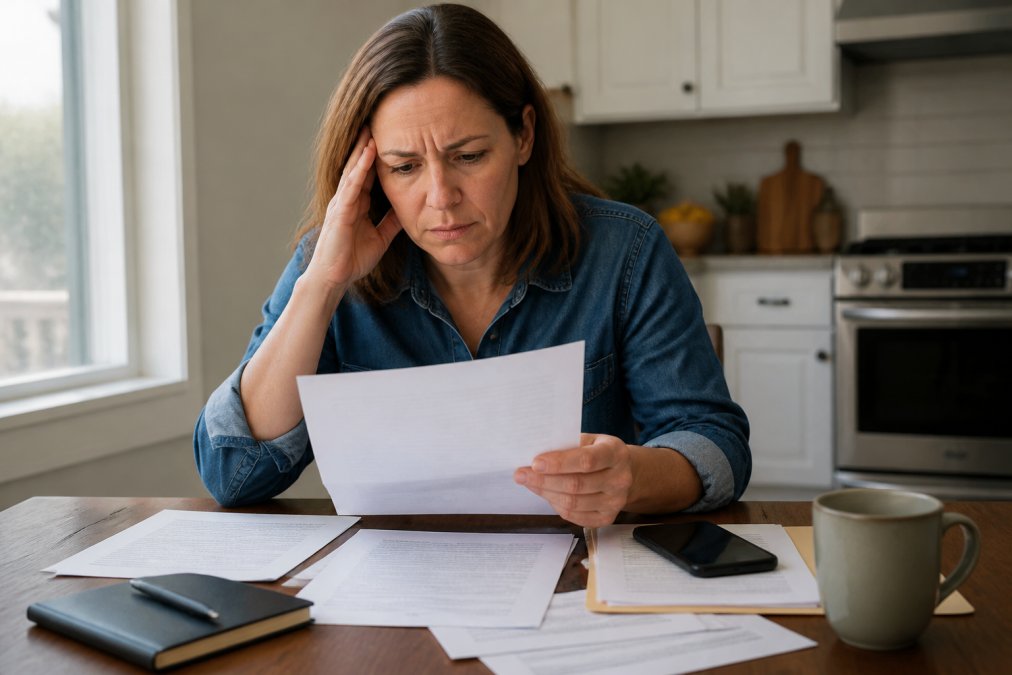
Here is when the call matters most:
- You received a civil demand and are unsure whether to pay.
- You have been contacted by police or a loss prevention officer.
- You hold a license that a conviction could affect.
- You are a student, a young adult, or a first-time offender.
- You believe the store got the facts wrong.
- You have already paid and now face criminal charges.
At Coppins Law Group, PLLC, we handle retail fraud matters for clients across Michigan, from the first letter through any court appearance. Our team offers a free initial consultation, so you can understand your options before you decide anything.
A common mistake is waiting to see if the letter is "real" before calling. By the time you know, deadlines have often passed.
| Situation | Best First Step | Why It Matters |
|---|---|---|
| First civil demand, no police contact | Call a lawyer before paying | Payment can be read as admission |
| Police or loss prevention involved | Call a lawyer immediately | Criminal exposure changes everything |
| You hold a professional license | Call a lawyer before any response | License risk raises the stakes |
| You already paid the demand | Call a lawyer anyway | Payment does not end criminal risk |
| You believe the store is wrong | Gather evidence, then call | A challenge needs proof and timing |
Frequently Asked Questions
Is a civil demand letter the same as a criminal charge?
No. A civil demand letter is a request for money from a store or its attorney. It is not a criminal charge, and it does not appear on your record. However, the store can still refer the matter to police, and a prosecutor can file criminal retail fraud charges separately. Paying the civil demand does not stop that from happening, and it does not guarantee the store will not pursue charges. Treat the letter as a signal that you need legal advice about your exposure.
What happens if I ignore a civil demand letter for retail fraud?
Ignoring the letter does not make it disappear. The store can file a civil lawsuit against you, which means added court costs and potentially a judgment. In Michigan, MCL 600.2952 allows a merchant to recover the full retail value of the merchandise plus damages and court costs. Whether the store actually sues depends on the amount and its policies, but the consequences of ignoring a civil demand letter can include a civil judgment on top of any criminal case.
Does paying a civil demand letter mean I am admitting guilt?
Paying a civil demand is not a formal guilty plea, but it can be used as evidence in a related criminal case. A prosecutor may argue that your payment shows you accepted responsibility. Before you pay, talk to an attorney who understands Michigan retail fraud law. A lawyer can review the letter, explain what the store is entitled to under MCL 600.2952, and help you decide whether paying or negotiating is the better move for your situation.
Can a store sue me for shoplifting even if the police were not called?
Yes. A store can file a civil lawsuit for retail fraud regardless of whether police were involved. MCL 600.2952 gives merchants the right to recover the retail value of stolen goods plus additional damages and costs. The store does not need a criminal conviction to sue. If you receive a civil demand letter, do not assume the lack of police involvement means the matter is closed. Contact an attorney to understand your options.
A civil demand letter feels like a verdict, but it is not one. It is a request, and how you respond shapes everything that follows. Coppins Law Group, PLLC offers a free initial consultation, statewide service throughout Michigan, and a trial-prepared defense strategy built around protecting your record and your future. Get your free consultation now and find out what your options actually are before you pay a single dollar.


