 how-to
Driver License Restoration Steps: Michigan Guide
Table of Contents
- Understanding License Revocation vs. Suspension
- Step 1: Obtain Your Driving Record and Review Eligibility
- Step 2: Complete a Substance Abuse Evaluation for License Restoration
- Step 3: Gather Evidence of Sobriety and Compliance
- Step 4: Request Your Driver License Appeal Hearing
- Step 5: Prepare Your Hearing Packet and Present Clear Evidence
- Step 6: Pay Your License Reinstatement Fee and Complete Final Requirements
- Common Mistakes to Avoid During Driver License Restoration
- Frequently Asked Questions
Last Updated: August 15, 2026
Understanding License Revocation vs. Suspension
A suspended license is temporary and will be reinstated automatically after a set period, provided you meet certain conditions. Suspensions typically result from administrative violations like failing to pay fines, missing court dates, or accumulating too many traffic violations.
A revoked license is permanent removal of your driving privileges. You cannot wait out a revocation; instead, you must actively petition the Secretary of State for restoration. Revocations are issued for serious offenses, most commonly operating under the influence (OUI) or driving under the influence (DUI) convictions, habitual traffic offender status, or multiple alcohol-related violations.
The driver license restoration process applies specifically to revoked licenses. You'll need to demonstrate to a hearing officer that you've addressed the underlying issues and pose no future risk to public safety.
At Coppins Law Group, PLLC, we help individuals throughout Michigan navigate this critical distinction and understand which process applies to their specific situation.
Step 1: Obtain Your Driving Record and Review Eligibility
Request your complete driving record from the Secretary of State's office online or by mail. Your record will show every violation, conviction, suspension, and revocation on file, including the exact date your license was revoked and any conditions attached to that revocation.
Pay close attention to the reason for revocation. If it's alcohol-related (OUI/DUI conviction, refusal of a breath test, or accumulation of alcohol-related violations), you'll need to complete a substance abuse evaluation as part of your restoration petition.
Determine your eligibility timeline. Michigan law sets mandatory waiting periods before you can petition for driver license restoration. For a first OUI/DUI conviction, you must wait one year from the date of revocation. For a second conviction within seven years, the waiting period is five years. A third or subsequent conviction within ten years requires a ten-year wait. These timelines are statutory and cannot be shortened.
Your driving record also shows any outstanding violations, unpaid fines, or license suspension issues that must be resolved before restoration can be granted. If you owe restitution or court costs related to your conviction, those debts must be paid.
Step 2: Complete a Substance Abuse Evaluation for License Restoration
If your license was revoked for alcohol-related reasons, a substance abuse evaluation is a legal requirement. The hearing officer cannot grant your petition without evidence that you've been evaluated by a qualified professional.
The substance abuse evaluation must be completed by a licensed substance abuse counselor or physician approved by the Secretary of State. Schedule your evaluation well in advance, as many qualified evaluators have waiting lists.
The evaluation report must include a complete substance use history, a diagnosis if applicable, a prognosis for recovery, and the evaluator's professional opinion about your likelihood of reoffending. If the evaluator recommends ongoing treatment or counseling, follow that recommendation.
The evaluation is not a pass-or-fail test. Even if the evaluator identifies substance abuse issues, you can still pursue driver license restoration by showing that you've addressed those issues through treatment, support groups, or lifestyle changes.
Step 3: Gather Evidence of Sobriety and Compliance
Your hearing packet must contain concrete evidence that you've maintained sobriety and complied with the law since your conviction. Hearing officers need to see a pattern of responsible behavior.
Start with documentation of any treatment or counseling you've completed, including certificates of completion from alcohol education programs and records from rehabilitation facilities. If you've been in ongoing counseling, get a letter from your therapist describing your progress and commitment to sobriety.
Gather letters of reference from people who know you well and have observed your behavior since your conviction: employers, family members, mentors, clergy, or longtime friends. Letters should be specific about observable changes in your behavior and character.
Document your employment history. Stable employment is a powerful indicator of rehabilitation. Provide letters from your employer confirming your tenure, reliability, and performance.
If you've had any involvement with the criminal justice system since your conviction, you'll need to address it directly in your hearing testimony. Compile documentation of any negative drug or alcohol screens you've taken as part of probation, parole, or court-ordered monitoring.
Step 4: Request Your Driver License Appeal Hearing
Once you've met the mandatory waiting period and gathered your evidence, file a formal hearing request with the Secretary of State's Administrative Hearings Unit. You can submit your request online or by mail.

Pay the hearing request fee, which is a non-refundable filing fee required to process your petition. A hearing officer will be assigned to your case, and you'll receive notice of the hearing date, typically scheduled 30 to 60 days after your request is filed.
The hearing can be conducted in person at a Secretary of State office, by videoconference, or by telephone. Request an in-person hearing if possible, as hearing officers are more persuaded by direct testimony and the ability to observe your demeanor in person.
If you're represented by an attorney from Coppins Law Group, PLLC, your attorney will file the hearing request on your behalf and ensure all procedural requirements are met.
Step 5: Prepare Your Hearing Packet and Present Clear Evidence
Organize your hearing packet in logical order: your petition and hearing request confirmation, substance abuse evaluation report, letters of reference, employment documentation, proof of treatment completion, and supporting evidence. Use clear dividers or tabs for easy navigation.
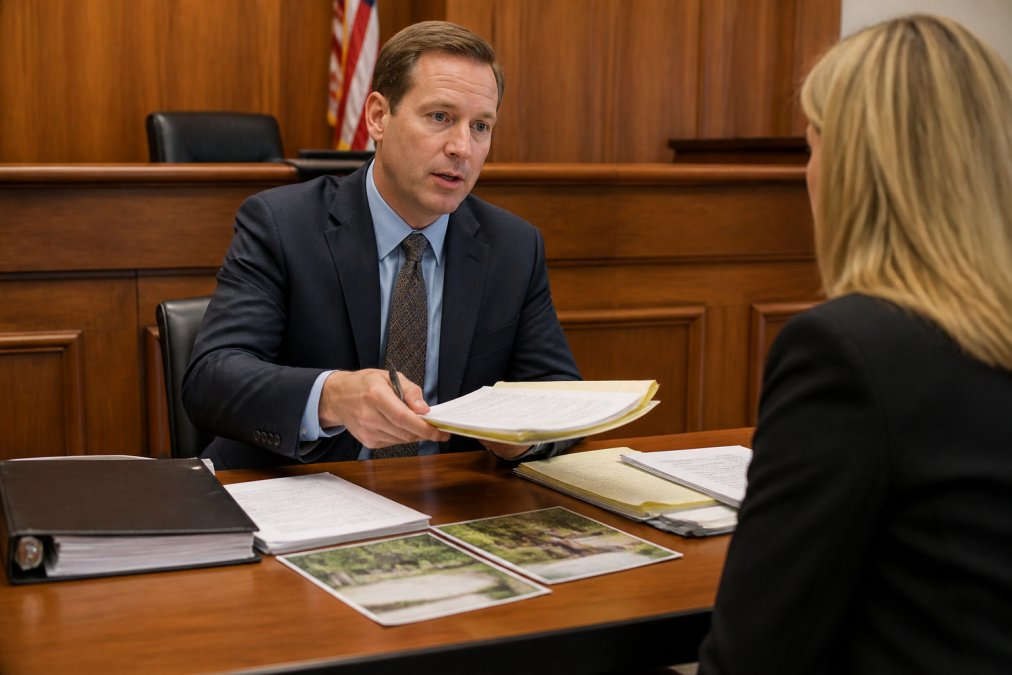
Write a personal statement addressing the hearing officer directly. Explain your conviction, acknowledge the seriousness of your offense, describe the steps you've taken to address the underlying issues, and articulate why you're now fit to hold a driver's license. Be sincere, specific, and honest.
Get Your Free Consultation Now →
The hearing officer will apply a legal standard called "clear and convincing evidence." You must prove that you've addressed the root causes of your violation and pose minimal risk of reoffending. Vague promises or general good behavior won't meet this standard.
Anticipate questions the hearing officer will ask: Why did you violate the law? What was going on in your life at that time? What have you learned? What specific changes have you made? How do you stay accountable?
Practice your testimony thoroughly. If you're working with an attorney, your attorney will prepare you and present your case strategically. Bring all original documents to your hearing.
Step 6: Pay Your License Reinstatement Fee and Complete Final Requirements
If the hearing officer grants your petition, you must complete several final steps. The license reinstatement fee is required by law and must be paid before your license is restored.
Additionally, if your original revocation was alcohol-related, you may be required to install an ignition interlock device in your vehicle. This breath-testing mechanism prevents your vehicle from starting if it detects alcohol on your breath.
Some individuals qualify for a hardship license before the interlock device is installed, allowing limited driving for essential purposes. If you need a hardship license, request one immediately after your petition is granted.
Complete any other conditions imposed by the hearing officer, such as ongoing counseling, continued attendance at support group meetings, or periodic substance abuse testing. Failure to comply can result in re-revocation of your license.
Once you've paid the reinstatement fee and met all other requirements, the Secretary of State will issue your restored license.
Common Mistakes to Avoid During Driver License Restoration
Filing before you're eligible is the most common mistake. You cannot file until the mandatory waiting period has passed. Filing early results in automatic dismissal, and you cannot file again for at least one year.
Submitting an inadequate substance abuse evaluation is another frequent problem. The evaluation must be completed by a Secretary of State-approved professional and must address your substance use history, current status, diagnosis if applicable, and prognosis.
Failing to gather sufficient evidence of sobriety is a critical weakness. Provide specific documentation: certificates of completion, attendance records, employment letters, and character references.
Providing weak or generic character references undermines your credibility. Letters should be specific and come from people who have had regular contact with you since your conviction.
Misrepresenting your substance use history or current status is fatal to your case. If you have had any alcohol or drug use since your conviction, disclose it and explain the context.
Failing to address outstanding fines, restitution, or court costs creates a barrier to restoration. Resolve these before your hearing.
Not preparing adequately for your testimony is a missed opportunity. Prepare thoroughly and be ready to answer difficult questions directly and honestly.
Attempting to represent yourself when the case is complex is risky. Driver license restoration involves specific legal standards, procedural requirements, and evidentiary rules. An experienced attorney understands these nuances and knows how to present your case persuasively. Coppins Law Group, PLLC provides experienced legal representation for individuals seeking driver license restoration throughout Michigan.
Losing your driving privileges creates immediate hardship and long-term consequences for your career, family, and independence. The driver license restoration process is your formal path to reclaiming those privileges, but it requires careful preparation, honest self-assessment, and thorough documentation.
If you're facing driver license revocation or pursuing restoration, the complexity of the process and the stakes involved warrant professional guidance. Coppins Law Group, PLLC provides experienced legal representation for individuals seeking driver license restoration throughout Michigan. Our team understands the evidentiary standards hearing officers apply, knows how to present your rehabilitation persuasively, and ensures your petition meets all procedural requirements. Get your free consultation now to discuss your specific situation and explore your options for restoring your driving privileges.
Frequently Asked Questions
What is the difference between a suspended and revoked driver license?
A suspended license is a temporary removal of driving privileges, typically for a set period or until specific conditions are met. A revoked license is a permanent cancellation of your driving privileges, though you may petition for restoration after meeting statutory requirements. Understanding which status applies to you is critical because revoked licenses require a formal hearing and clear and convincing evidence of rehabilitation, while some suspensions may be resolved through administrative steps alone.
What does a substance abuse evaluation for license restoration involve?
A substance abuse evaluation is a comprehensive assessment conducted by a licensed professional to determine your current substance use status and rehabilitation progress. The evaluator will review your history, conduct interviews, and may recommend treatment or support group attendance. This evaluation becomes key evidence in your hearing packet, demonstrating to the hearing officer that you have addressed the underlying issues that led to your license revocation and are committed to safe driving.
How much is the license reinstatement fee?
License reinstatement fees vary based on the reason for revocation and the specific administrative requirements in your case. Contact the Michigan Secretary of State's office or consult with an attorney to determine the exact reinstatement fee applicable to your situation. Additional costs may include substance abuse evaluation fees, support group attendance, and potential ignition interlock device installation if required as a condition of reinstatement.
Do I need an attorney for a driver license appeal hearing?
While you are not required to have an attorney, the hearing process involves presenting clear and convincing evidence to a hearing officer who will decide whether to restore your license. An experienced attorney can help you organize your evidence, prepare testimony, understand statutory requirements, and navigate the administrative hearing process effectively. Many people find professional representation increases their chances of a successful outcome, particularly in complex cases or when prior restoration attempts have been denied.


