 how-to
How to Handle a Misdemeanor Arraignment in Michigan
Table of Contents
- What Happens at a Misdemeanor Arraignment in Michigan
- Types of Pleas in Michigan Criminal Court
- Michigan Bond and Bail Conditions After Arraignment
- Your Right to Legal Counsel at Arraignment
- Hiring a Criminal Defense Attorney in Michigan
- Checklist for the Day of Your Arraignment
- Frequently Asked Questions
Last Updated: October 2, 2026
What Happens at a Misdemeanor Arraignment in Michigan
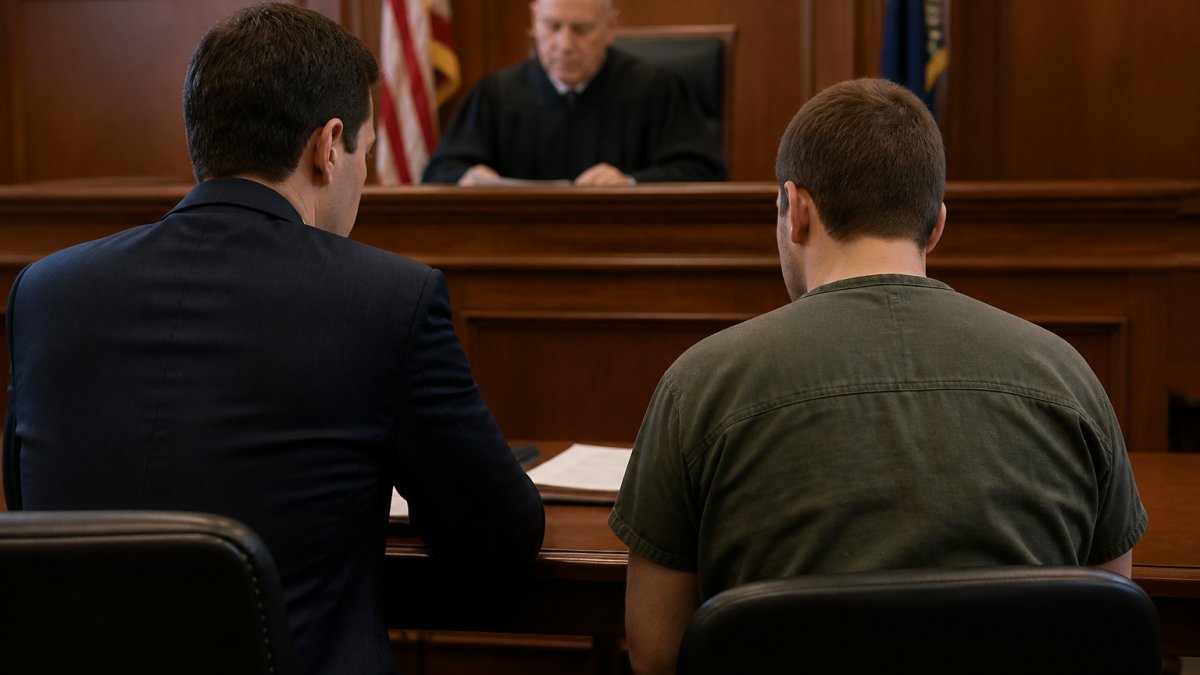
A misdemeanor arraignment in Michigan is the first court appearance after you are charged, where a judge or magistrate formally tells you the charges and asks how you plead. This hearing sets the terms of your release and starts your case. Knowing what to expect removes most of the fear.
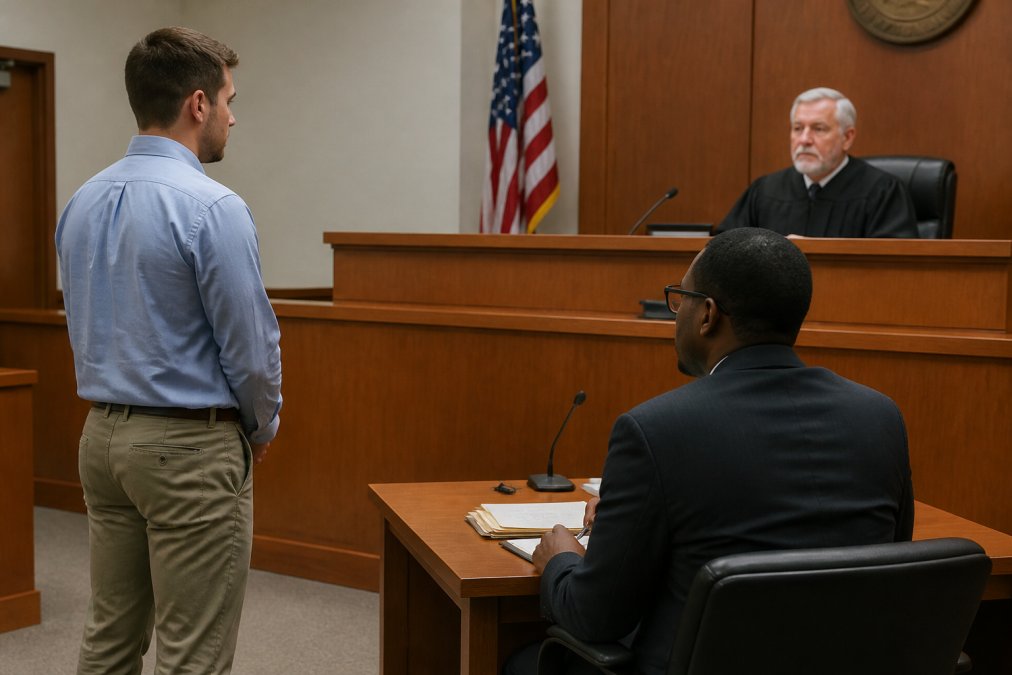
Michigan district courts handle these hearings. The process moves quickly, often in minutes. But the decisions made there shape everything that follows.
This guide walks through each step.
Reading of the Charges and Advisement of Rights
The judge or magistrate reads the criminal complaint out loud. You hear the exact charge, the law it falls under, and the possible penalties. This is called the advisement of rights.
You also learn your constitutional protections at this point:
- The right to remain silent
- The right to an attorney
- The right to a trial
- The right to confront witnesses
Role of the Judge or Magistrate
The judge or magistrate runs the hearing and sets your bond. A magistrate can handle most arraignments in district court. A judge steps in for more serious matters. Neither one decides guilt at this stage.
Types of Pleas in Michigan Criminal Court
You will enter one of three pleas at arraignment: guilty, not guilty, or no contest. Most people plead not guilty at this stage. That plea keeps your options open while your attorney reviews the evidence.
Guilty, Not Guilty, and No Contest
A guilty plea means you admit the charge. The judge can sentence you right away. This is rarely wise before talking to a lawyer.
| Plea | What It Means | When It Makes Sense |
|---|---|---|
| Guilty | You admit the charge | After a negotiated deal with counsel |
| Not Guilty | You deny the charge | Default choice at arraignment |
| No Contest | You accept punishment, not fault | When a civil lawsuit may follow |
The Practical Mechanics Most Guides Skip
You can stand mute. If you are unsure what to say, you are not required to pick a plea on the spot. Telling the magistrate "I stand mute" or "I would like to speak with an attorney before entering a plea" results in the court entering a not guilty plea on your behalf. This is a clean, safe default.
What to Say at the Arraignment
"Your Honor, I would like to enter a plea of not guilty and I would like time to consult an attorney."
Michigan Bond and Bail Conditions After Arraignment
The magistrate sets your bond at arraignment. Bond is the security that you will return for future court dates. Conditions of release spell out what you must and must not do while the case is pending. (Source: Michigan Compiled Laws Chapter 767)
Common conditions include:
- No contact with the alleged victim
- No new criminal charges
- Regular check-ins with a court officer
- Alcohol or drug testing
- Surrender of firearms in domestic-violence matters
The Three Bond Types You Will See
Michigan district courts use three basic bond structures at misdemeanor arraignment:
Get Your Free Consultation Now →
| Bond Type | What You Pay | When It Is Used |
|---|---|---|
| Personal Recognizance (PR) | Nothing, you sign a promise to appear | Low-level charges, strong community ties, no flight risk |
| Cash or 10% | Full cash amount, or 10% to the court with the balance owed if you fail to appear | Moderate charges or some failure-to-appear history |
| Surety | A bail bondsman posts the full amount for a non-refundable fee | Higher bond amounts or out-of-state defendants |
What the Magistrate Actually Weighs
Michigan court rules direct the magistrate to consider the seriousness of the offense, your prior record, your ties to the community, and any risk that you will flee or endanger others. In practice, most practitioners find the following factors move the needle most on a misdemeanor:
- Length of residence in the area and whether you own or rent at a fixed address
- Employment, a recent pay stub or letter from an employer helps
- Prior failures to appear, even an old one from a traffic case can hurt
- Prior criminal history, especially any violent or domestic charges
- The nature of the current charge, assaultive and domestic charges draw tighter conditions
- Whether the alleged victim is asking for no contact
If the Bond Is Too High
You have options when the bond is set higher than you can pay:
- Ask for a bond review. Many district courts will reconsider at a hearing within a few days.
- File a motion to modify bond. Your attorney can argue that the current amount is more than necessary to ensure your appearance.
- Use a bondsman. You pay a non-refundable fee, commonly around 10% of the bond amount, and the bondsman posts the rest. You are still on the hook if you fail to appear.
- Post 10% directly with the court where that option is offered. You get most of it back at the end of the case if you appear as required.
Conditions Are Not Suggestions
Even a PR bond comes with conditions. The most common are no contact with the alleged victim, no new criminal charges, and a promise to appear at every future court date. In domestic-violence cases, the court may also order you out of the shared home and prohibit firearm possession.
Your Right to Legal Counsel at Arraignment
You have a statutory right to an attorney at every stage, including arraignment. If you cannot afford one, the court may appoint a public defender. This is your due process protection.
Hiring a Criminal Defense Attorney in Michigan
The right time to hire a criminal defense attorney in Michigan is before your first court date. Early representation changes outcomes. An attorney can review the criminal complaint, spot weak evidence, and push for dismissal or a reduced charge.
Look for a lawyer who:
- Handles cases in the court where you are charged
- Has trial experience, not just plea deals
- Explains each step in plain language
- Answers your calls and keeps you updated
Checklist for the Day of Your Arraignment
Arrive prepared and early. Bring your paperwork, dress neatly, and turn off your phone. Plan for security lines and a possible wait.
- Confirm the courtroom number and start time
- Bring your ID and the charging paperwork
- Dress in business casual or better
- Arrive 30 minutes early
- Leave phones and sharp objects in the car
- Write down questions for the judge or your attorney
- Say nothing about the facts to anyone but your lawyer
- Bring a pen and paper for notes
Virtual vs. In-Person Arraignment Procedures
Many Michigan district courts now allow virtual arraignments by video. You appear from home on a phone or computer. The judge reads the charges the same way.
Frequently Asked Questions
What happens at a misdemeanor arraignment in Michigan?
At a misdemeanor arraignment in Michigan district court, the judge or magistrate reads the criminal charges, advises you of your statutory rights, and asks for your plea. The court then sets bond and any conditions of release. The hearing is typically brief, often under 10 minutes. You can plead guilty, not guilty, or no contest. If you plead not guilty, the court schedules a pretrial hearing. Having legal counsel present can protect your rights and help you understand what each plea means for your case.
Can I plead not guilty at my arraignment in Michigan?
Yes. You have the right to plead not guilty at your misdemeanor arraignment in Michigan. A not guilty plea preserves your right to a trial and allows your attorney to review the prosecutor's evidence, negotiate with the district court, and challenge the criminal complaint. Pleading not guilty does not mean you will definitely go to trial; many cases resolve through plea agreements or dismissal after further proceedings. It simply keeps your options open and prevents you from giving up rights before you have full information about the charges.
Do I need a lawyer for a misdemeanor arraignment in Michigan?
You are not required to have an attorney at a misdemeanor arraignment, but hiring a criminal defense attorney in Michigan gives you a clear advantage. An attorney can explain the types of pleas in Michigan criminal court, negotiate bond conditions, and identify weaknesses in the prosecutor's case before you enter a plea. If you cannot afford private counsel, you may qualify for a court-appointed attorney or public defender. Even a first-time misdemeanor can carry lasting consequences, so legal guidance at this stage matters.
What is the difference between an arraignment and a pretrial in Michigan?
An arraignment is your first court appearance where charges are read, rights are advised, and a plea is entered. A pretrial is a later hearing where your attorney and the prosecutor discuss the case, exchange information, and potentially negotiate a resolution. At the pretrial, the judge may address scheduling orders, bond modifications, or plea offers. Understanding both stages helps you prepare. If you plead not guilty at arraignment, the pretrial becomes the next critical step in your case.
Facing a misdemeanor charge is stressful, and the arraignment moves faster than most people expect. One wrong plea can follow you for years. Coppins Law Group, PLLC provides a free initial consultation, statewide service, and a trial-prepared defense strategy built to protect your rights and your future. Get started with Coppins Law Group, PLLC and walk into your arraignment with a clear plan.


