 how-to
How to Request a Restricted License After Revocation
Table of Contents
- What a Restricted License Can and Cannot Do
- Eligibility Requirements and the Mandatory Waiting Period
- Step-by-Step: How to Request a Restricted License After Revocation
- Substance Abuse Evaluation for License Restoration
- Ignition Interlock Device Installation in Michigan
- What Happens at a Michigan Driver License Restoration Hearing
- If You're Denied: Appeals and Insurance Implications
- Your Reinstatement Checklist
- Frequently Asked Questions
Last Updated: October 1, 2026
What a Restricted License Can and Cannot Do
A restricted license is a limited driving privilege that lets you drive for specific purposes, work, school, or medical appointments, after your license has been revoked or suspended. It is not a full reinstatement: it does not erase the revocation or restore unrestricted driving.
What a restricted license typically allows:
- Driving to and from work or school
- Medical or court-ordered appointments
- Substance abuse treatment or education programs
- Probation or parole meetings
What it does not allow:
- Driving for errands, social events, or recreation
- Driving outside the hours or routes stated on the order
- Driving without any required ignition interlock device
Eligibility Requirements and the Mandatory Waiting Period
Eligibility depends on why your license was revoked and how much time has passed. Most states set a mandatory waiting period before you can apply.
Common eligibility criteria include:
- Completion of the mandatory waiting period after revocation
- No new traffic violations during that period
- Proof of insurance and, in some cases, an SR-22 filing
- A clean or improved driving record abstract
Step-by-Step: How to Request a Restricted License After Revocation
The process to request a restricted license after revocation follows a clear sequence. Miss one step and the whole application stalls. Below is the sequence most state driver services offices use, with the mechanisms that trip applicants up.
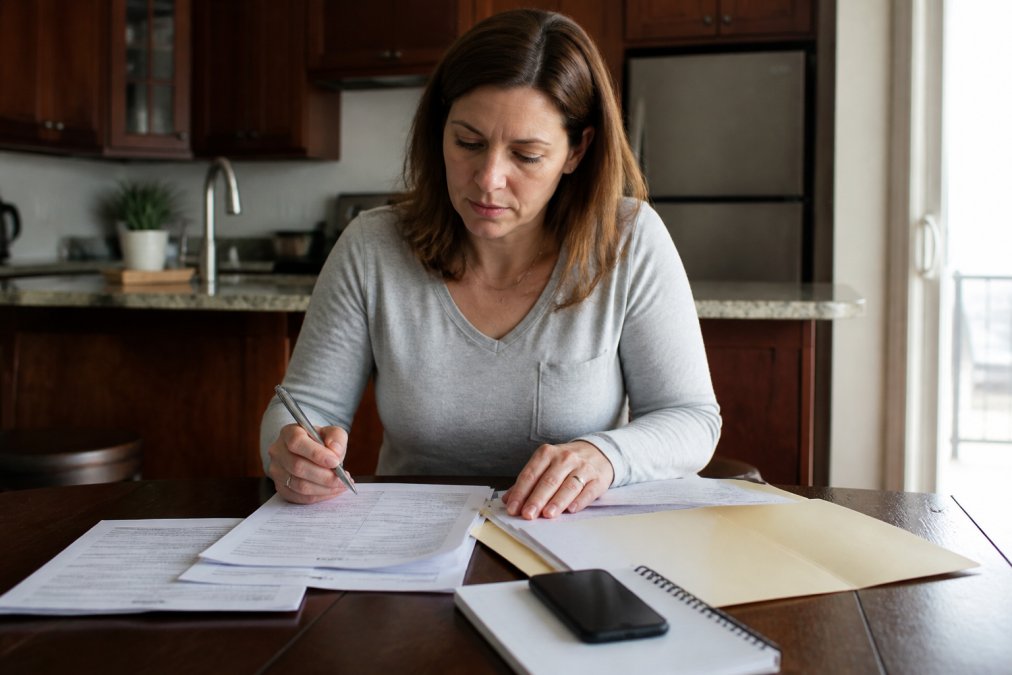
Step 1: Confirm Your Eligibility Date and Clear Every Open Suspension
Before you touch an application, pull your driving record abstract from your state's driver services agency. It shows every open suspension, revocation, and hold, and a single unresolved suspension, even one from years ago in another state, will block the application.
What to look for on the abstract:
- The exact reinstatement eligibility date (not the date you think the revocation ends)
- Any "failure to appear" or "failure to pay" holds from courts
- Out-of-state suspensions that your home state may honor under the Driver License Compact or the Non-Resident Violator Compact
- Points still active from the offense that triggered the revocation
Step 2: Gather Documentation and Obtain a Certified Court Order
If your revocation was court-ordered, you need a certified copy, not a photocopy or printout. A certified order carries the clerk's seal and signature, and driver services offices routinely reject uncertified copies.
Typical document packet:
- Certified court order (if the revocation was court-ordered)
- Proof of insurance meeting your state's minimum liability limits
- SR-22 or FR-44 filing certificate from your insurer (if required for your offense)
- Driving record abstract (often must be dated within 30 days)
- License surrender receipt, if you were required to turn in your physical license
- Completion certificates for any required education or treatment programs
- Substance abuse evaluation report, if applicable
Step 3: File the Reinstatement Application and Pay the Reinstatement Fee
Submit the reinstatement application to your state's driver services office, in person, by mail, or online, depending on the state. The reinstatement fee is separate from court fines and varies by state and offense count, so confirm the amount before filing and keep the receipt.
Step 4: Arrange Your SR-22 or FR-44 Filing
An SR-22 is a certificate your insurer files with the state confirming you carry the required liability coverage. An FR-44 is a similar filing used in some states that requires higher liability limits for certain alcohol-related offenses. Neither is insurance itself, it is proof your insurance is active.
Key mechanics:
- Your insurer files the SR-22 directly with the state, not you
- The filing must stay active for a set period (often two to three years)
- If your policy lapses, the insurer notifies the state, and your license can be suspended again
- Switching insurers mid-period requires the new insurer to file a new SR-22 before the old one lapses
Step 5: Schedule and Prepare for Your Hearing
If a hearing is required, schedule it as soon as your packet is complete. Bring every original document, arrive early, and be ready to explain your plan for staying compliant, the hearing is your chance to show what went wrong and what has changed.
What hearing officers typically probe:
- The circumstances of the offense that led to revocation
- What treatment, education, or counseling you completed
- Your current employment, residence, and support system
- How you will get to work, school, or medical appointments without violating the restriction
- Whether you understand the ignition interlock requirements, if applicable
| Step | What You Do | Watch Out For |
|---|---|---|
| 1 | Confirm eligibility date and clear open suspensions | Out-of-state holds can block the application |
| 2 | Gather documents and certified court order | Uncertified copies are routinely rejected |
| 3 | File application and pay reinstatement fee | Fee varies by state and offense count |
| 4 | Arrange SR-22 or FR-44 filing | A policy lapse restarts the suspension |
| 5 | Schedule and attend hearing | Missing the date can reset your case |
Substance Abuse Evaluation for License Restoration
A substance abuse evaluation for license restoration is a professional assessment that determines whether you need treatment or education before your driving privilege can be restored. Most states require it after an alcohol- or drug-related revocation.
Get Your Free Consultation Now →
Ignition Interlock Device Installation in Michigan
Ignition interlock device installation in Michigan is required for many drivers seeking restoration after an alcohol-related revocation. The device connects to your ignition and requires a clean breath sample before the car starts.
What to expect:
- Installation at a state-approved service center
- Regular calibration and monitoring appointments
- A monthly lease fee, which varies by provider
- Random rolling retests while you drive
What Happens at a Michigan Driver License Restoration Hearing
A Michigan driver license restoration hearing is an administrative proceeding where you present evidence that you deserve your driving privilege back. The hearing officer reviews your record, evaluation, and testimony.
If You're Denied: Appeals and Insurance Implications
A denial is not the end, but it changes your timeline, and most guides skip what happens when the answer is no, or how the insurance fallout works once you are approved. Both matter, and both have hard deadlines.
How the Appeals Process Actually Works
Most states give you a short window, often 30 to 60 days from the denial notice, to request a review or file a formal appeal. Missing it can cost you another full waiting period before you can reapply.
Common appeal paths:
- Administrative review. You ask the driver services agency to reconsider the decision, usually by submitting additional documentation (a new evaluation, a treatment completion certificate, or a corrected court order).
- Formal administrative appeal. You file a written appeal with the agency or an administrative hearings office. Some states require a hearing before an administrative law judge.
- Judicial review. In some states, after exhausting administrative appeals, you can petition a court to review the agency's decision. This is the slowest and most expensive path.
The most common reasons a restricted license request is denied:
- The mandatory waiting period had not actually ended
- An open suspension or hold was still on the record
- The substance abuse evaluation recommended treatment that was not completed
- The court order was not certified
- The SR-22 filing had lapsed or was never made
- Required documents were missing or expired
Insurance Implications: SR-22, FR-44, and What They Cost You
After a revocation, your insurer will typically reclassify you as a high-risk driver, which can raise your premium substantially, and some carriers will non-renew your policy entirely. Many people get the restricted license approved only to discover they cannot afford to insure the car.
What you need to know:
- SR-22 filing. Required by many states after certain offenses, including DUI. Your insurer files it with the state to confirm you carry the required liability coverage. It is not a type of insurance; it is proof of insurance.
- FR-44 filing. Used in some states for alcohol-related offenses, and it requires higher liability limits than a standard SR-22. If your state uses FR-44, expect a higher premium because of the higher coverage minimums.
- Duration. The filing usually must stay active for two to three years. If your policy lapses even for a day, the insurer notifies the state and your license can be suspended again, often without a new hearing.
- Shopping for coverage. Not every insurer writes SR-22 or FR-44 policies. You may need to work with a carrier that specializes in high-risk drivers. Compare quotes before your current policy renews so you are not caught without coverage.
- Non-owner policies. If you do not own a car but need to drive for work, some states allow a non-owner SR-22 policy. Confirm with your state agency whether this satisfies the filing requirement.
Handling Both at the Same Time
The appeals process and the insurance fallout run in parallel, not sequentially. If your request is denied, your SR-22 clock may still be running, and a lapse during the appeal can create a new suspension that complicates the appeal itself. Keep the filing active, the appeal deadline on your calendar, and copies of every document you submit.
Your Reinstatement Checklist
Use this checklist to stay on track from start to finish.
- Confirm your reinstatement eligibility date
- Clear every outstanding suspension
- Request your driving record abstract
- Obtain court clearance or a certified order
- Complete your substance abuse evaluation
- Finish any required treatment or education
- Arrange ignition interlock installation, if required
- File the reinstatement application and pay the fee
- Schedule and prepare for your hearing
- Confirm your SR-22 filing with your insurer
- Keep copies of every receipt and document
Frequently Asked Questions
What is the difference between a suspended and revoked license in Michigan?
A suspension is a temporary loss of driving privileges with a set end date, and reinstatement is often automatic once you meet the requirements. A revocation removes your license indefinitely and requires you to formally apply and prove eligibility before you can drive again. Because a revocation stays on your driving record and demands a full reinstatement application, the process is longer and stricter than clearing a suspension.
How long must I wait before requesting a restricted license after a DUI revocation?
The mandatory waiting period depends on your specific conviction record and the number of prior offenses, so it varies from case to case. Rather than guess at a timeline, check your driving record and confirm the current requirements with the Michigan Secretary of State or an attorney. Filing before your waiting period ends will get your reinstatement application denied, which adds delay.
What evidence is required for a restricted license appeal in Michigan?
You will typically need a current driving record abstract, proof of insurance, a completed substance abuse evaluation, and documentation showing any court-ordered requirements are satisfied. If a hearing is required, you must also show a period of sobriety and a support system. Missing paperwork is one of the most common reasons requests get denied, so build your file well before you apply.
What is an ignition interlock device and is it required for a restricted license?
An ignition interlock device is a breath-test unit wired into your vehicle that prevents it from starting if alcohol is detected. Whether it is required depends on your offense history and the terms of your restricted driving privileges. If it is ordered, you must arrange installation with a state-approved vendor and keep up with the required calibration appointments, or your restricted license can be pulled.