 listicle
Common Mistakes to Avoid During Divorce Mediation
Table of Contents
- 1. Rushing Into a Settlement Without Legal Review
- How to Prepare for Divorce Mediation
- 2. Communicating Aggressively or Using Inflammatory Language
- What to Expect in Divorce Mediation
- 3. Involving Children in the Mediation Process
- 4. Making Impulsive, Emotional Decisions
- 5. Failing to Consult With Legal Counsel
- How Long Does Divorce Mediation Take
- Frequently Asked Questions
Last Updated: September 27, 2026
Divorce mediation can feel like navigating a minefield. One wrong step, a heated comment, a rushed decision, an undisclosed asset, can derail months of negotiation and leave you with an agreement you'll regret for years. The common mistakes to avoid during divorce mediation aren't just procedural errors; they're the kinds of decisions that reshape your financial future, your relationship with your children, and your ability to move forward.
At Coppins Law Group, PLLC, we've seen how preparation and clear communication transform mediation outcomes. This guide covers the five critical pitfalls that most people encounter and how to sidestep them entirely.
1. Rushing Into a Settlement Without Legal Review
The pressure to settle quickly is real. Mediation feels like it's working. Both parties seem reasonable. The mediator suggests you're close to an agreement. Then comes the moment: sign now, or keep paying for more sessions.
This is where many people make their costliest mistake.
A binding mediation agreement isn't a suggestion, it's a legal contract that will govern your finances, custody arrangements, and obligations for years. Signing without an attorney's review means you're agreeing to terms you may not fully understand. Hidden liabilities. Unfair asset divisions. Custody language that creates future conflict.
The fix is straightforward: never sign a settlement agreement without having an attorney review it first. This isn't paranoia. This is protection.
Your attorney will catch what you miss. They'll identify one-sided terms, missing provisions, and language that could be interpreted against you later. They'll flag tax implications you didn't consider. They'll ensure the agreement actually reflects what was discussed in mediation.
How to Prepare for Divorce Mediation
Preparation is the single biggest predictor of a favorable mediation outcome. People who walk in organized, informed, and clear about their priorities consistently negotiate better terms than those who wing it.
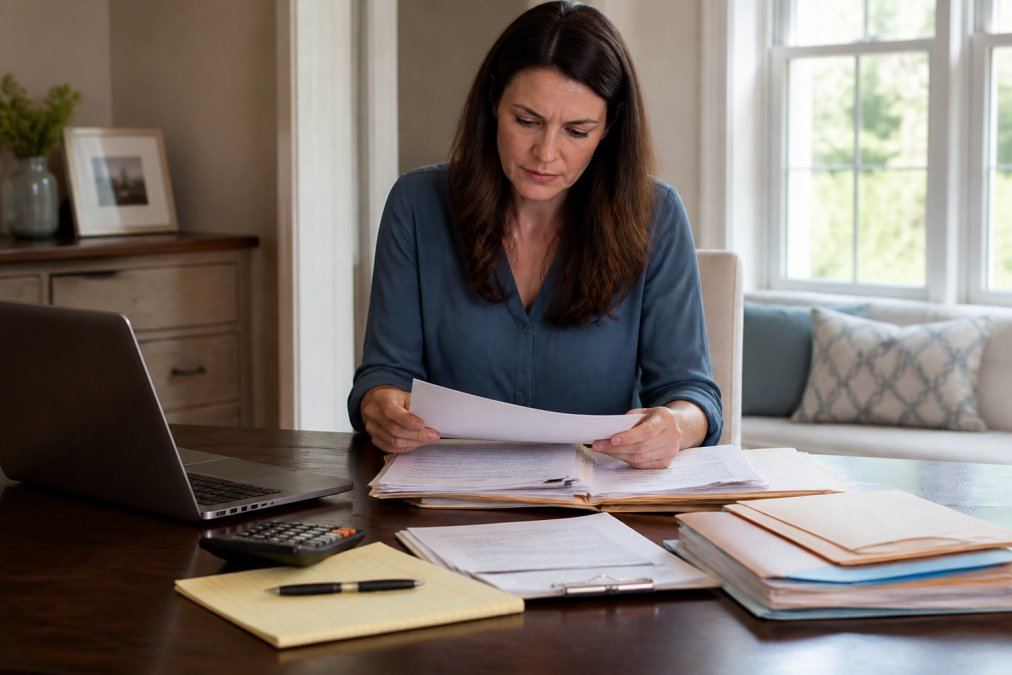
Gather and Organize Financial Documentation
Start here. Mediation requires full financial disclosure, both parties must lay their cards on the table. If you show up without documentation, you're negotiating blind.
Collect everything:
- Bank statements (last 12 months minimum)
- Tax returns (last 3 years)
- Investment account statements (401k, brokerage, retirement accounts)
- Real estate documents (deed, mortgage statement, property tax assessment)
- Insurance policies (life, health, auto, homeowners)
- Debt statements (credit cards, personal loans, car loans)
- Pay stubs and employment benefits documentation
- Business ownership documents (if applicable)
Organize these chronologically in a single folder, digital or physical. Label everything clearly. When the mediator asks for a specific document, you hand it over immediately. This signals competence and builds credibility.
Understand Your Financial Position
Don't just collect documents, understand what they mean. Calculate your household's net worth. List all assets and their current values. List all debts and who owes them. Know your monthly expenses.
This isn't busywork. When the mediator presents a settlement proposal, you need to instantly evaluate whether it's fair. Can you actually afford the proposed support payment? Does the asset split leave you with enough liquidity? Will you have enough income to cover the mortgage and living expenses?
People who show up unprepared often agree to terms they can't sustain. Then they're back in court requesting modifications because the agreement is unworkable.
Consult With an Attorney Before Mediation
This is non-negotiable. Before you even enter a mediation session, have an attorney explain your legal rights, your state's guidelines for support and asset division, and what a reasonable settlement looks like.
You don't need your attorney in the mediation room (many mediations exclude lawyers). But you need their guidance beforehand. They'll help you set realistic goals. They'll identify red flags in any proposals. They'll review the final agreement before you sign.
This consultation isn't just defensive, it's strategic. Understanding your legal position makes you a better negotiator.
2. Communicating Aggressively or Using Inflammatory Language
Mediation works because both parties commit to respectful communication. The moment you attack, blame, or use inflammatory language, the dynamic shifts. The other party gets defensive. The mediator spends time managing emotions instead of facilitating resolution. Progress stops.
Aggressive communication in mediation includes:
Get Your Free Consultation Now →
- Accusatory statements ("You never cared about the kids")
- Insults or character attacks ("You're selfish and dishonest")
- Threats ("I'll make sure you regret this")
- Bringing up past grievances unrelated to the settlement
- Raising your voice or showing visible anger
These tactics feel justified in the moment. But they don't work. They harden positions. They create resentment that poisons future co-parenting. They sometimes cause the other party to walk out of mediation entirely.
The alternative is direct, unemotional communication focused on interests, not blame. Instead of "You were a terrible parent," say "I want primary custody because I'm more available for school pickups and evening routines." Instead of "You're trying to cheat me," say "I need the house appraised independently so we both have confidence in the valuation."
This isn't about being nice. It's about being effective.
What to Expect in Divorce Mediation
Understanding the process reduces anxiety and helps you show up prepared. Mediation typically unfolds in predictable stages.
The Role of the Mediator vs. Your Attorney
The mediator is a neutral third party. Their job is to facilitate communication and help both parties reach agreement. They don't advocate for you. They don't represent your interests. They don't give legal advice.
Your attorney's job is exactly the opposite. They advocate for your interests. They give you legal advice. They review agreements to protect you.
Many people confuse these roles. They expect the mediator to take their side or push back on unfair proposals. That's not the mediator's role. The mediator's role is neutrality.
This is why having your own attorney is critical. The mediator ensures the process is fair and both parties communicate well. Your attorney ensures the outcome is fair and protects your rights.
Confidentiality and Binding Agreements
Mediation is confidential. What's said in mediation stays in mediation. This confidentiality encourages openness and honest discussion.
However, confidentiality has limits.
3. Involving Children in the Mediation Process
This is non-negotiable: keep children out of mediation. Don't involve them in discussions about custody, support, or asset division. Don't ask them to choose between parents. Don't use them as messengers.
4. Making Impulsive, Emotional Decisions
Mediation can trigger intense emotions. Fear about the future. Anger about betrayal. Grief about the end of the marriage. Anxiety about finances.
Impulsive decisions in mediation include:
- Agreeing to unfavorable terms just to end the process
- Rejecting reasonable proposals out of spite
- Overcommitting to support payments you can't afford
- Accepting custody arrangements that don't match your actual availability
- Giving up assets you later realize you needed
5. Failing to Consult With Legal Counsel
This appears throughout this guide because it's that important. Many people try to navigate mediation without an attorney, thinking they'll save money. They usually end up spending more money fixing agreements that should never have been signed.
How Long Does Divorce Mediation Take
The timeline varies significantly based on complexity, how well both parties communicate, and how prepared you are.
| Mediation Complexity | Typical Duration | Number of Sessions | Preparation Time |
|---|---|---|---|
| Simple (few assets, no children) | 2-4 weeks | 1-2 sessions | 5-10 hours |
| Moderate (children, some assets) | 2-4 months | 4-8 sessions | 15-25 hours |
| Complex (significant assets, disputes) | 6-12 months | 8-15+ sessions | 30+ hours |
Frequently Asked Questions
What should you not say in divorce mediation?
Avoid inflammatory language, personal attacks, or threats that can derail negotiations. Don't make promises you can't keep, discuss sensitive topics involving children, or share details on social media. Stay focused on the settlement terms and financial facts. If emotions run high, ask for a brief break. Your attorney can help you prepare talking points that protect your interests while maintaining a professional tone throughout the mediation process.
How do you prepare for divorce mediation to ensure success?
Gather all financial documents, including bank statements, tax returns, and asset valuations. Meet with an attorney beforehand to understand your legal rights and the terms you're willing to accept. Create a realistic post-divorce budget so you understand what settlement terms are sustainable. Organize your documentation in a clear format. Develop a communication strategy with your attorney and set emotional boundaries. Understanding your financial position and legal standing before mediation significantly increases the likelihood of reaching a fair agreement.
Do I need an attorney present during divorce mediation?
While an attorney doesn't have to be physically present in the mediation room, consulting with one before and after mediation is strongly recommended. Your attorney can review the proposed settlement agreement to ensure it protects your interests and complies with applicable law. Many people have their attorney available by phone or meet with them between mediation sessions. This approach allows you to maintain the collaborative atmosphere of mediation while ensuring your legal rights are protected throughout the negotiated agreement process.
What happens if you cannot reach an agreement in mediation?
If mediation stalls, you have options. You can request additional mediation sessions, bring in a different mediator, or pursue litigation through the courts. Some cases benefit from a break and resuming mediation later. Your attorney can advise whether continued mediation is worthwhile or if litigation is the better path. Litigation is typically more expensive and time-consuming than mediation, but it may be necessary if the other party is unwilling to negotiate in good faith. Discuss your options with your legal counsel before deciding your next steps.