 how-to
Misdemeanor Plea Bargain Strategies in Michigan
Table of Contents
- What Is a Misdemeanor Plea Bargain in Michigan
- How Plea Negotiations Work With a Prosecutor
- Misdemeanor Charge Reduction Through Bargaining
- Misdemeanor Sentencing Options and Negotiation
- Misdemeanor Plea Bargain Consequences You Should Know
- Evaluating an Offer: When to Accept or Reject
- Misdemeanor Case Dismissal and Alternative Resolutions
- The Role of Your Criminal Defense Attorney
- Frequently Asked Questions
Last Updated: October 15, 2026
What Is a Misdemeanor Plea Bargain in Michigan
A misdemeanor plea bargain is an agreement between you and the prosecutor where you plead guilty or no-contest to a charge in exchange for reduced penalties or a lesser offense.
In Michigan, misdemeanors carry maximum penalties of up to 93 days in jail and fines up to $500 for most offenses. A plea bargain can mean the difference between a permanent criminal record and a second chance.
The key benefit is control. You know exactly what happens instead of leaving it to a jury. But this only works if you understand the real trade-offs.
Three main types of plea bargains exist in Michigan:
- Charge bargaining: Plead guilty to a lesser offense than charged
- Sentence bargaining: Plead guilty as charged but negotiate a lighter penalty
- Fact bargaining: Agree on which facts the court will consider at sentencing
Each type changes your outcome differently. A charge reduction might protect your professional license. A sentence reduction might keep you out of jail. Fact bargaining affects how the judge views your conduct.
Accepting a plea doesn't mean you lose all rights. You can still appeal if the agreement wasn't made knowingly and voluntarily, or challenge whether your attorney gave proper advice. But these options narrow significantly after you plead, so understanding your choice beforehand matters enormously.
How Plea Negotiations Work With a Prosecutor
Plea negotiations begin after the prosecutor reviews the evidence, assessing how strong their case is and what risk they face at trial. You and your attorney do the same from your side.
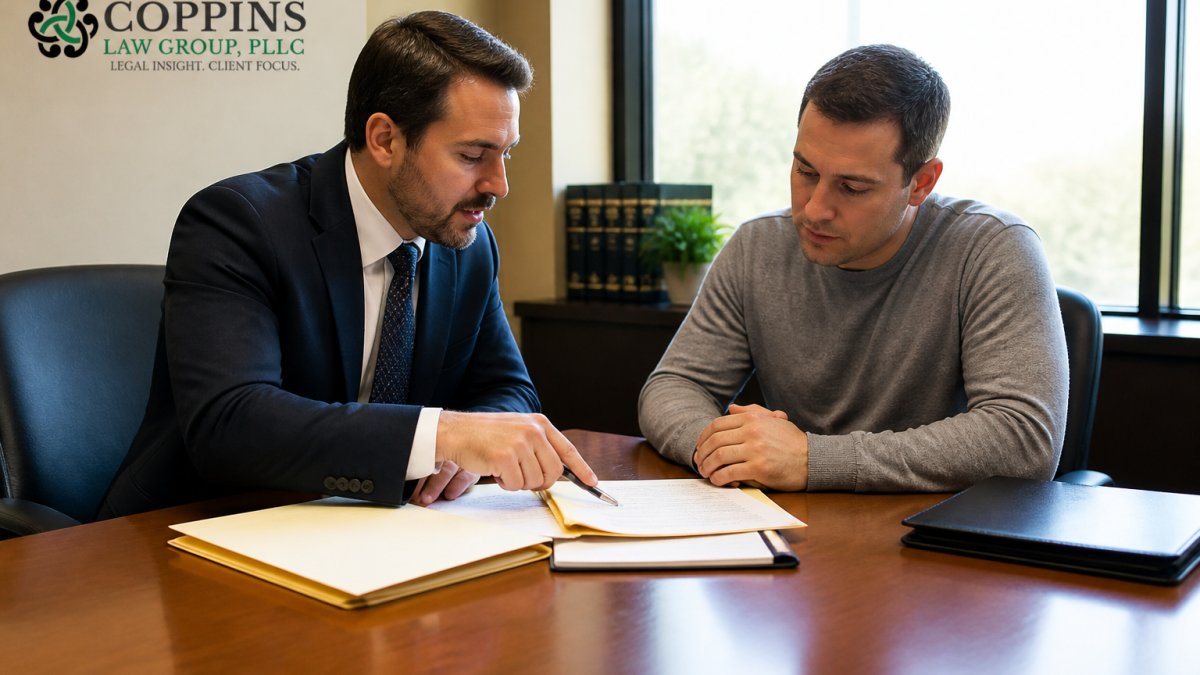
This back-and-forth continues until both sides agree on the charge and sentence recommendation, and the judge approves the deal. The judge always has the final say; a prosecutor can't force you to accept anything.
Timing matters. Early negotiations, before discovery is complete, can be advantageous. Late negotiations, days before trial, can become desperate on both sides.
Your attorney's job is to:
- Evaluate the strength of the prosecution's evidence
- Identify weaknesses in their case
- Propose realistic alternatives the prosecutor will consider
- Protect your rights throughout the process
- Advise you whether an offer is worth accepting
Prosecutors also manage risk. If their case has problems, a witness who won't testify, evidence that might get excluded, a jury that might not convict, they have incentive to settle. Your attorney's job is to make those problems visible and negotiate from that position.
Misdemeanor Charge Reduction Through Bargaining
Charge bargaining means pleading guilty to a lower-level offense than originally charged, so you face the maximum penalty for the reduced charge instead of the original one.
This is often the most valuable plea bargain because it changes your criminal record permanently. A retail fraud first-degree charge might reduce to retail fraud third-degree, or an assault charge to disorderly conduct. These reductions matter for employment, housing, and professional licensing.
Michigan courts recognize several categories of misdemeanor charges. The prosecutor has discretion to offer a reduction, but they won't do it without reason. Common reasons include:
- Weak evidence that might not survive trial
- Witness credibility problems
- Procedural issues that could get evidence excluded
- Your clean record or first offense status
- Victim or community interests in resolution
The process: you plead guilty to the lesser charge, the original charge is dismissed, and your record shows only the reduced charge. Employers doing background checks see the lower offense, not the original one.
Some reductions are automatic in Michigan: certain first-time offenses can be set aside after probation. But charge bargaining can offer a more direct path.
The trade-off is giving up the right to trial on the original charge and admitting guilt to the reduced one. But if the evidence against you is strong, this often protects your future better than risking conviction on the more serious charge.
Misdemeanor Sentencing Options and Negotiation
Sentence bargaining means you plead guilty as charged but negotiate the penalty. The prosecutor recommends a specific jail term, fine, probation length, or combination.
Michigan misdemeanor sentencing ranges widely by offense, and judges have discretion within statutory limits. Your attorney's job is to convince the prosecutor, and later the judge, that a lighter sentence fits your situation.
Factors that influence sentencing negotiations include:
- Your criminal history (first offense gets better treatment)
- Employment status and community ties
- Whether you caused injury or property damage
- Your age and personal circumstances
- Victim impact and their preferences
- Substance abuse or mental health issues
The prosecutor's recommendation carries weight but isn't binding. If the prosecutor recommends 30 days jail and you agree, the judge will often follow that, but can impose more or less. That's why your attorney must prepare for sentencing in front of the judge.
Common sentence bargains in Michigan misdemeanor cases include:
- Probation instead of jail time
- Shorter jail terms (10-30 days instead of 90)
- Fines and community service instead of incarceration
- Treatment programs (substance abuse, anger management) as conditions of probation
- License restrictions or suspensions negotiated in advance
Sentence bargaining is especially valuable if you work, support a family, or have housing stability. Jail time destroys all three. A negotiated probation sentence lets you keep your job and your stability while serving your sentence in the community.
Misdemeanor Plea Bargain Consequences You Should Know
Accepting a plea bargain creates permanent consequences beyond the immediate sentence. Understanding these before you agree is critical.
A guilty plea means a criminal record that background checks, employers, landlords, and licensing boards will see.
Some professions have automatic bars. In healthcare, education, law enforcement, or financial services, a criminal record can cost you your career, a plea bargain might save your job short-term but destroy your license long-term. Understand this trade-off before you agree.
Collateral consequences include:
Get Your Free Consultation Now →
- Loss of professional licenses (nursing, teaching, real estate)
- Immigration consequences if you're not a citizen
- Loss of certain gun rights
- Difficulty obtaining housing
- Student loan and financial aid restrictions
- Child custody complications in family law cases
- Driver's license suspension (for certain offenses like OWI or retail fraud)
At Coppins Law Group, PLLC, we deliver strategic, focused defense tailored to your specific needs. Sometimes trial risk is worth taking because the collateral damage from a guilty plea outweighs the sentencing benefit.
A no-contest plea (nolo contendere) carries the same sentence as a guilty plea but can't be used as an admission in civil cases, important if you're worried about being sued. Michigan allows no-contest pleas in misdemeanor cases, and they're sometimes the better option for this reason.
Evaluating an Offer: When to Accept or Reject
The hardest decision is whether to accept the prosecutor's offer or go to trial. This requires honest assessment of three things: the strength of their evidence, your trial risk, and your personal circumstances.
Start by asking: what happens if I lose at trial? The maximum penalty for your charge is the ceiling.
Next, assess the evidence. Your attorney should review police reports, witness statements, physical evidence, and any recordings, then ask: is the evidence strong, are there gaps, can witnesses be challenged, and does it support every element of the charge?
Then evaluate your personal situation: a job you'll lose if you go to jail, childcare responsibilities, financial strain. These aren't legal reasons to plead guilty, but they're real factors in whether trial makes sense for you.
A typical evaluation framework:
- Accept the offer if: evidence is strong, trial risk is high, collateral consequences are manageable, and the offer is significantly better than the maximum penalty
- Reject the offer if: evidence is weak, you have a credible defense, trial won't destroy your life, and the offer doesn't materially improve your outcome
- Negotiate further if: the offer is close but not quite acceptable, evidence is mixed, or you need minor adjustments (probation instead of jail, shorter term, treatment program)
Common mistakes include accepting an offer too quickly out of fear, or rejecting a reasonable offer out of overconfidence. Most cases don't go to trial.
Your attorney should help you think this through clearly. Pushing you toward a plea without exploring your options is a red flag, and so is pushing you toward trial without acknowledging the risks.
Misdemeanor Case Dismissal and Alternative Resolutions
Not all cases end in plea bargains. Some get dismissed. Others resolve through alternative programs that avoid a guilty plea entirely.
Dismissal happens when:
- Evidence is suppressed (excluded from trial) due to police misconduct
- The prosecutor lacks evidence to prove the charge
- Charges are dropped as part of a larger plea agreement
- The statute of limitations expires
- A pretrial motion succeeds in removing the charge
Michigan also offers diversion and deferred prosecution programs for first-time offenders in certain cases. Complete conditions like counseling, community service, and drug testing, and you avoid a guilty plea and criminal record, the charges are dismissed.
Some counties have specialty courts for specific offenses. OWI, sobriety, and drug courts offer treatment-based alternatives to jail, recognizing that incarceration doesn't address the underlying problem. Completing the program can result in charge dismissal or significant sentence reduction.
Your attorney should explore every alternative before you accept a plea bargain. Dismissal is always better than a guilty plea. A diversion program is better than a conviction. These options are often overlooked because defendants don't know they exist.
Timing matters: diversion programs must be requested early, usually before arraignment. Wait until trial is scheduled and the opportunity closes.
The Role of Your Criminal Defense Attorney
Your attorney is your advocate in plea negotiations, not the prosecutor's, not the court's. They represent you and your interests.
A good criminal defense attorney will:
- Thoroughly investigate the evidence against you
- Identify weaknesses in the prosecution's case
- Challenge evidence that was obtained improperly
- Negotiate aggressively for the best possible outcome
- Explain your options clearly and honestly
- Advise you whether an offer is worth accepting
- Prepare you for trial if negotiation fails
- Protect your rights at every stage
Your attorney's job is to help you make an informed decision that protects your long-term interests. Sometimes that means recommending a plea, preparing for trial, or exploring alternative resolutions.
Many defendants think they can negotiate with the prosecutor themselves. You can, but you're at a disadvantage: prosecutors negotiate hundreds of cases and know what offers are reasonable.
At Coppins Law Group, PLLC, we provide dedicated legal advocacy for individuals facing complex criminal, family, and administrative challenges throughout Michigan. We keep you informed every step. We don't pressure you toward any outcome.
Understanding misdemeanor plea bargains in Michigan means knowing your options and risks before deciding. A criminal record carries consequences that last years, the sentence might be short, but the impact extends to employment, housing, professional licenses, and family law matters.
If you're facing misdemeanor charges, you need an attorney who understands Michigan courts, knows the prosecutors in your jurisdiction, and will negotiate from a position of strength.
Frequently Asked Questions
Can a misdemeanor charge be reduced through a plea bargain in Michigan?
Yes. Charge bargaining allows you and a prosecutor to agree to reduce the original misdemeanor charge to a lesser offense. For example, a retail fraud charge might be reduced to disorderly conduct. A criminal defense attorney can present evidence, argue mitigating factors, and negotiate on your behalf to achieve a lower charge that carries reduced penalties and collateral consequences.
What factors can affect a misdemeanor plea offer?
Prosecutors consider your criminal history, the strength of evidence against you, witness credibility, whether this is a first offense, and your employment or community ties. If you have no prior record and the evidence is weak, you may receive a more favorable offer. Your attorney can highlight these factors and present discovery materials that weaken the prosecution's case to improve your negotiating position.
Can a plea bargain help me avoid jail time for a misdemeanor?
Often, yes. Sentence bargaining focuses on reducing or eliminating jail time. Your attorney can negotiate for probation, community service, fines, or treatment programs instead of incarceration. The outcome depends on the offense, your record, and local court practices. A skilled defense attorney can argue for alternatives that protect your employment and family responsibilities.
What should I ask a lawyer before accepting a misdemeanor plea deal?
Ask about the collateral consequences beyond sentencing: driver's license suspension, employment restrictions, professional license impact, and immigration effects if applicable. Understand the exact sentence you will receive, whether you can withdraw the plea later, and what happens if you violate probation terms. Your attorney should explain the trial risks and why the offer is in your best interest before you decide.


